Welcome to
GARDEN ROUTE
Labradoodles
Welcome to
GARDEN ROUTE
Labradoodles
Our Dogs
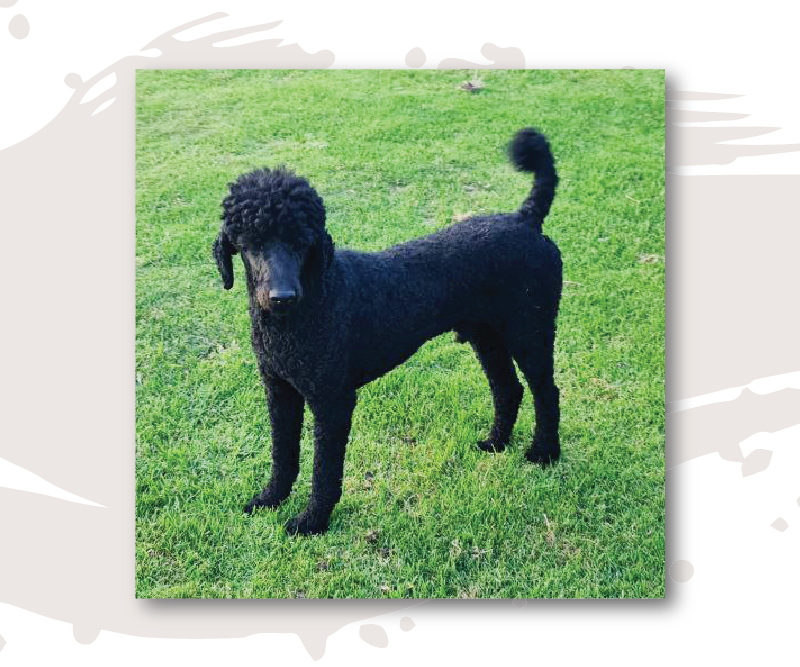
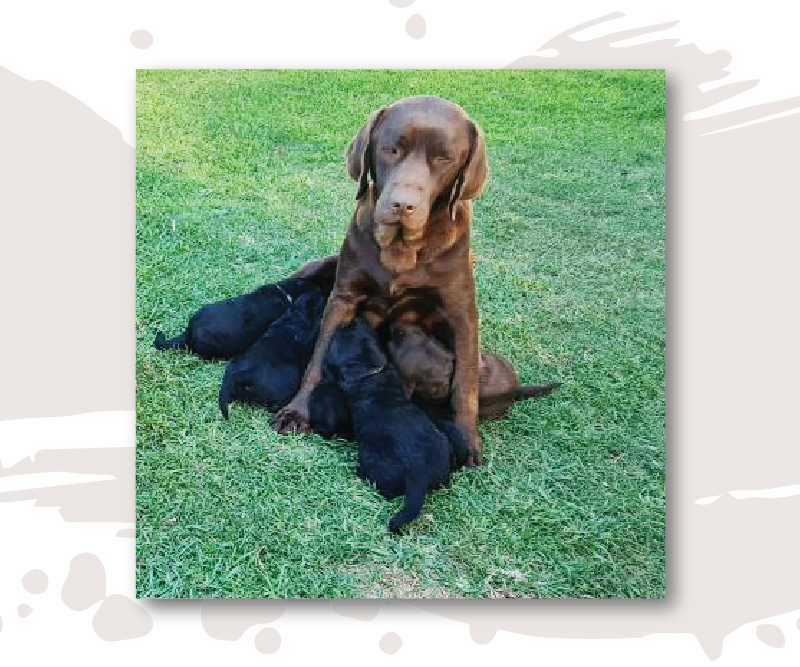
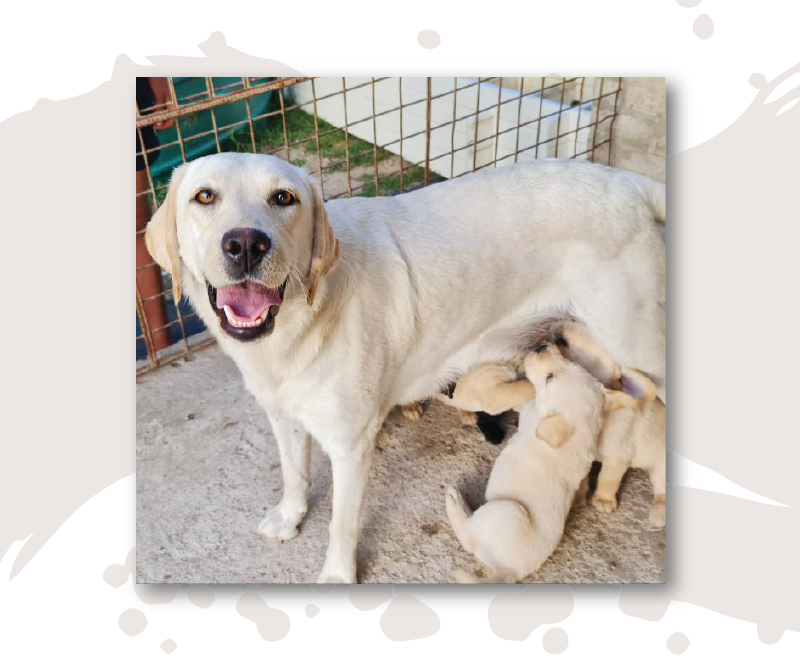
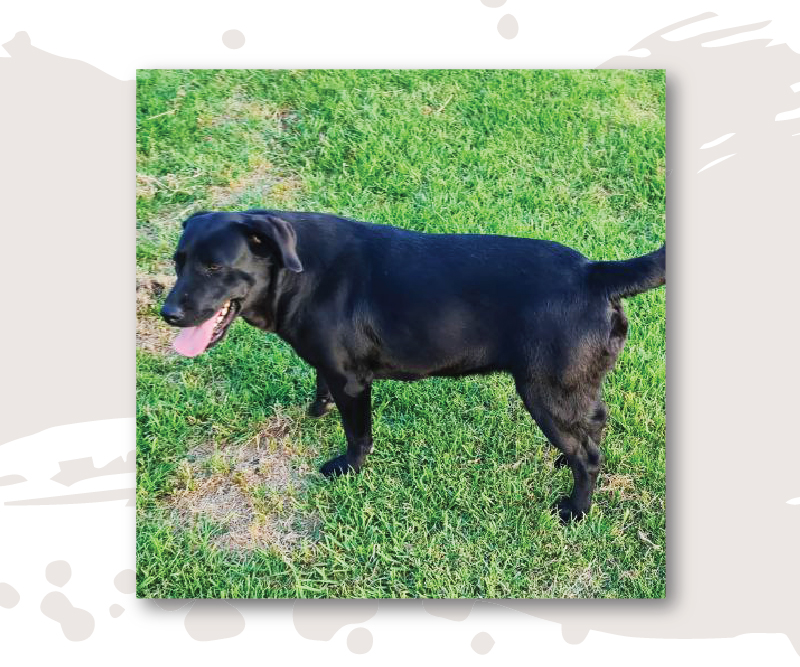
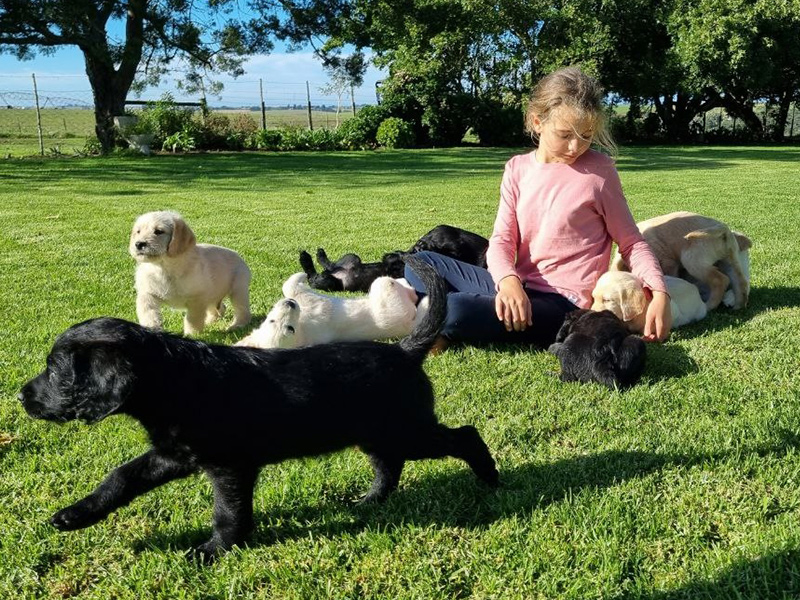
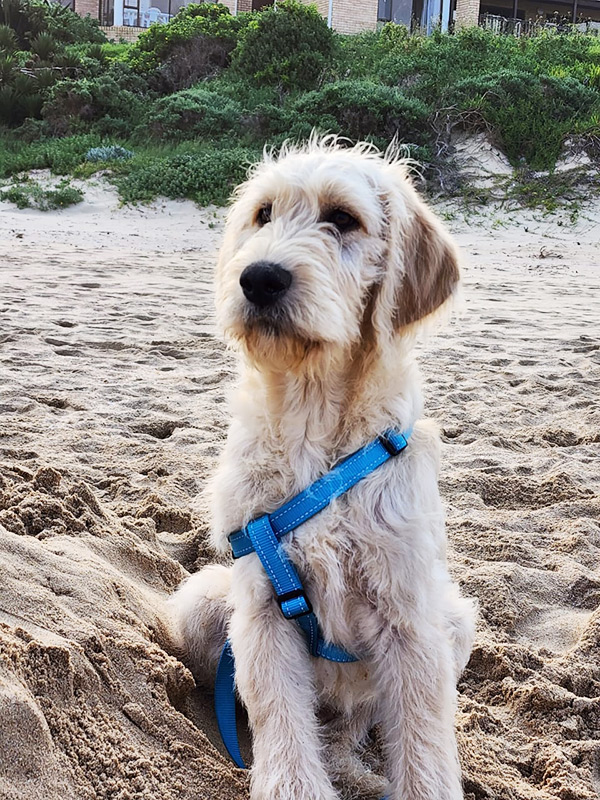
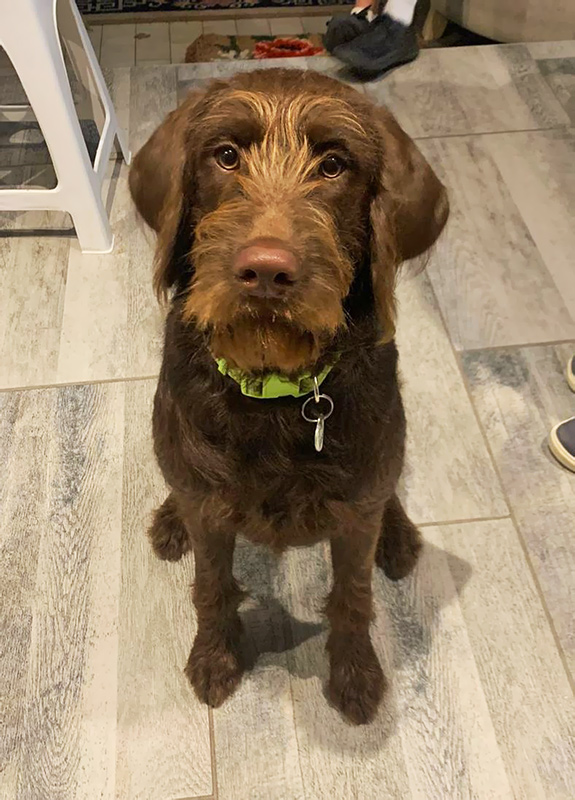
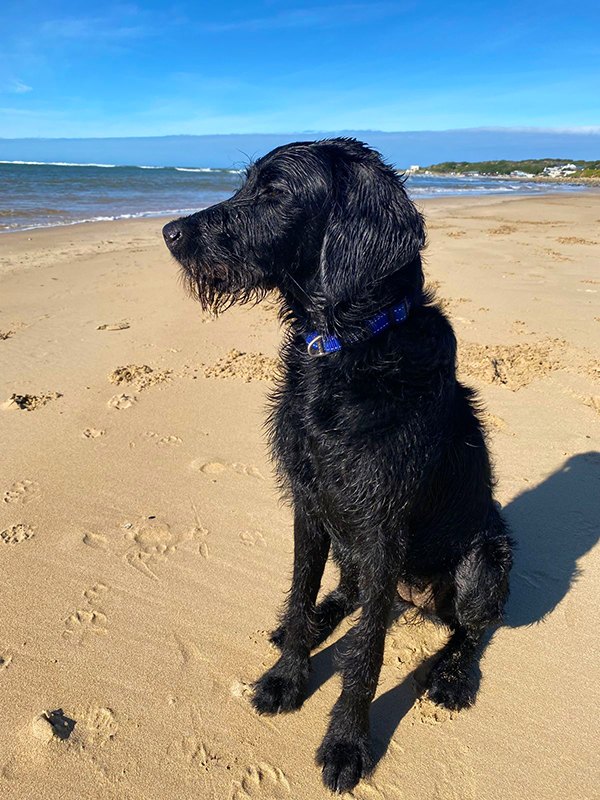
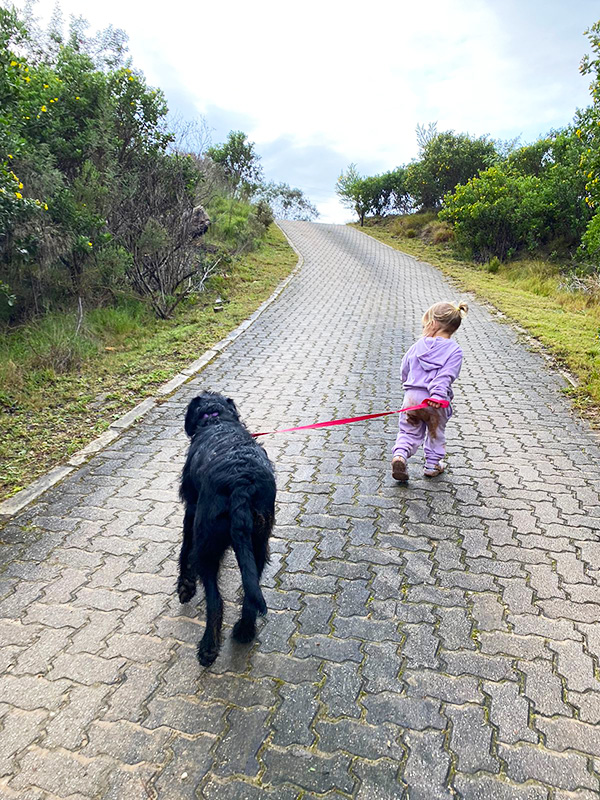
All our dogs are purebred Poodles or Labradors and love being close to people. They are well trained and obedient with lovely personalities that love kids.
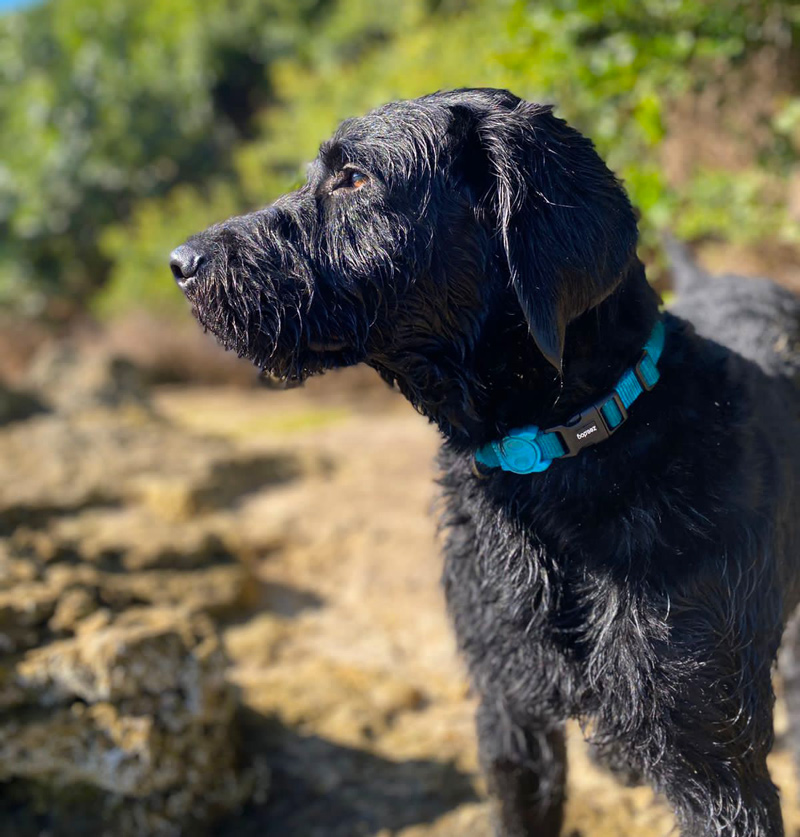
Often called a “designer breed”, the Labradoodle is not an actual breed. The designer dog label refers to a mixed breed dog who was intentionally bred in hopes they might exhibit desirable attributes of their foundation breeds, for example, the non-shedding coat of a Poodle and the laid-back demeanor of a Labrador.
Mixed-breed dogs, like all dogs, are individuals and could tend to express the traits of one of the breeds of its parentage more than the other, so it’s a good idea to read up on the personality and health of their parent breeds.
About the breed
The animated and personality-filled Labradoodle is a cross-breed between a Labrador Retriever and a Poodle. This sociable dog was initially intended as a hypoallergenic guide dog, although it is essential to remember that no dog is truly hypoallergenic.
The Labradoodle has become an extremely popular choice for many families due to its affectionate and friendly nature. A warm, loving family dog that is easy on allergies because of their minimal shedding makes Labradoodles a popular dog breed. These dogs love activity, just not as much as they will love you.
The ever-popular Labradoodle is immensely trainable and, unlike some dogs, a good fit for first-time dog owners. These pups are great with kids and will adapt to their family’s lifestyle. The standard version, a Labrador, bred with a standard-sized poodle, can grow to be about 50cm – 60cm tall and weigh between 20kg and 30 kg, with the female dogs smaller than the males.
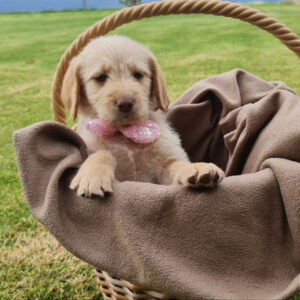
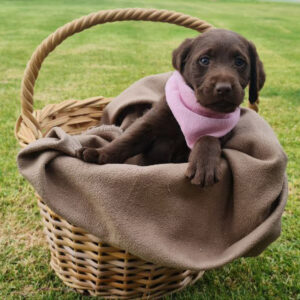
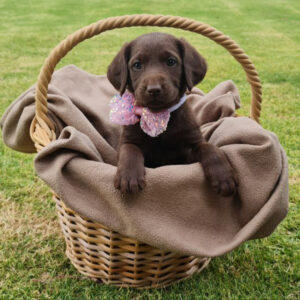
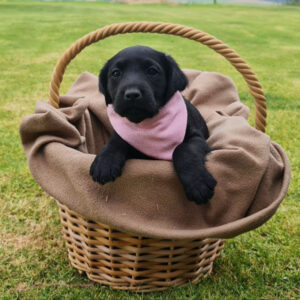
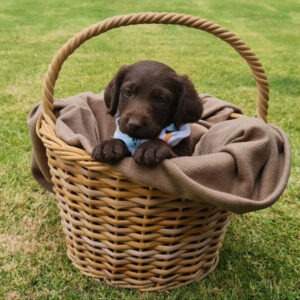
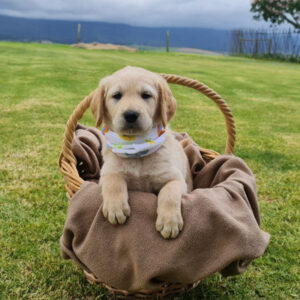
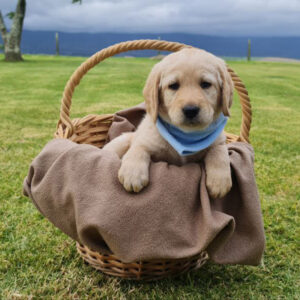
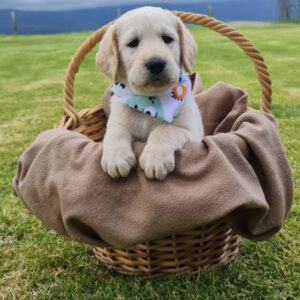
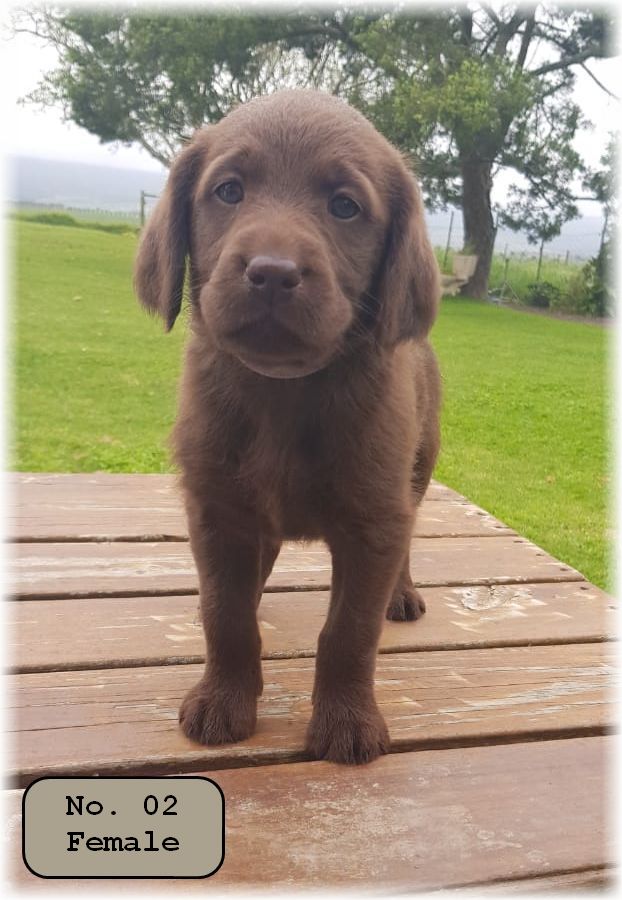
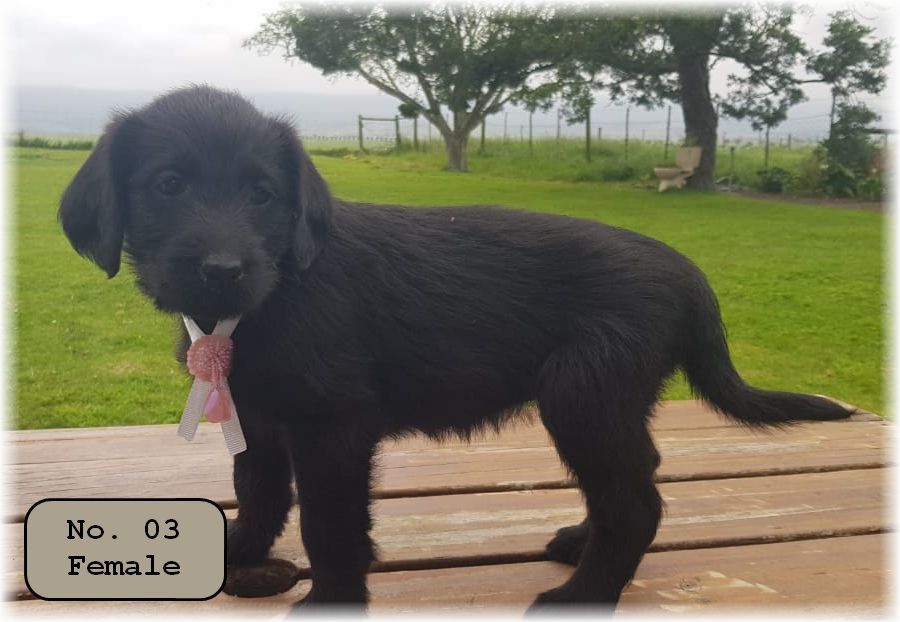
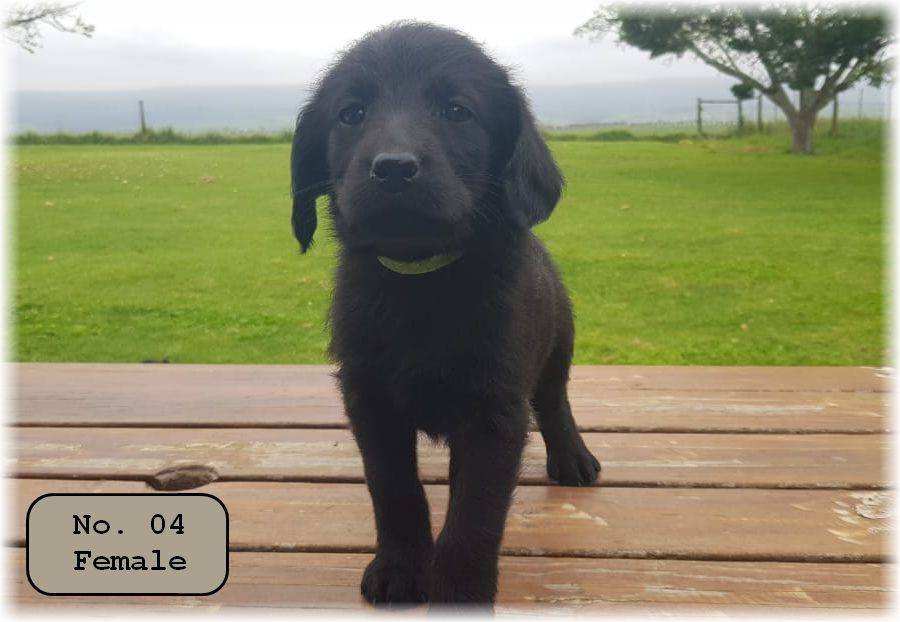
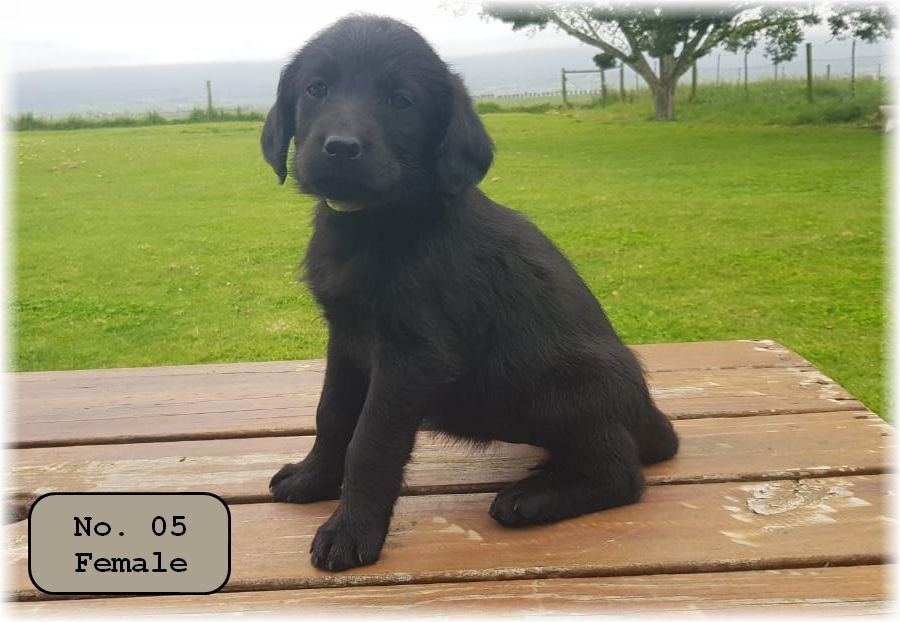
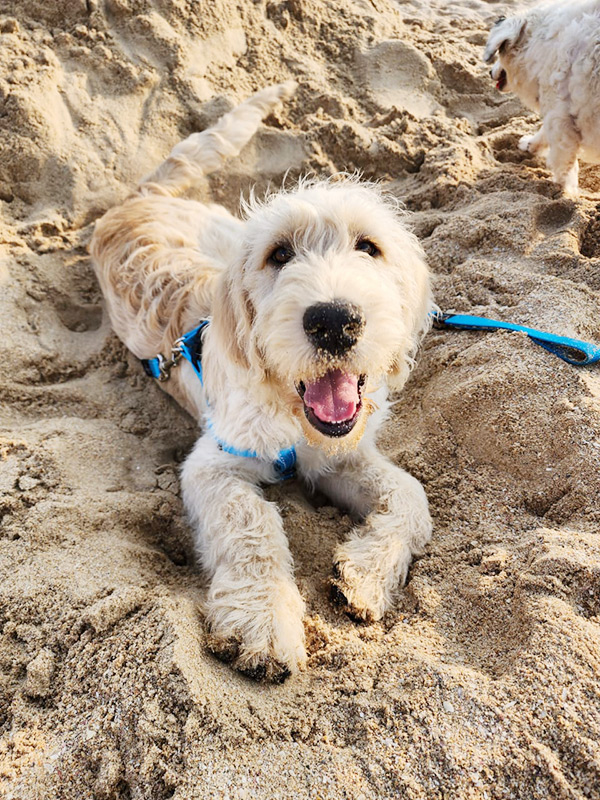
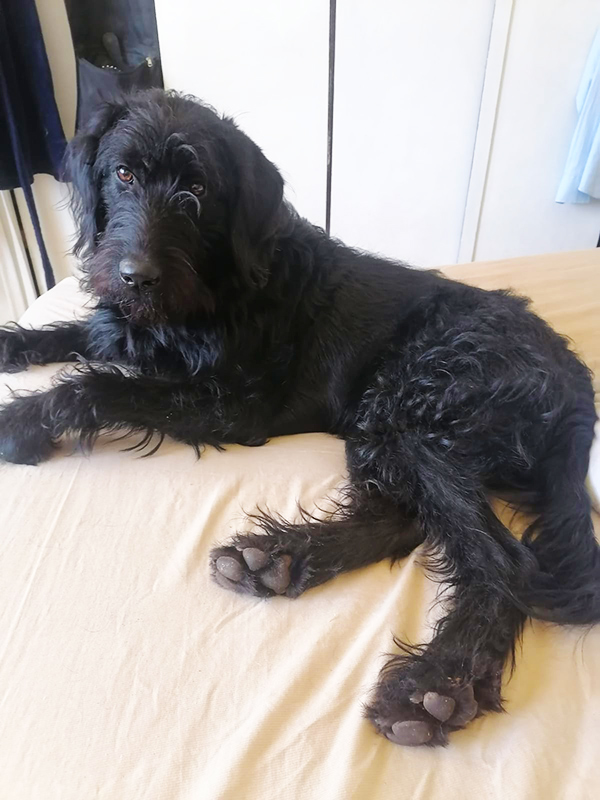
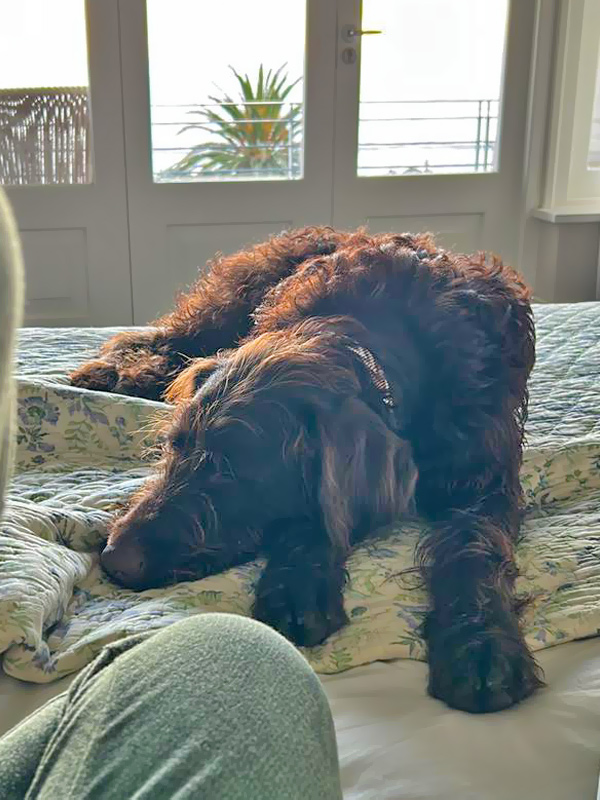
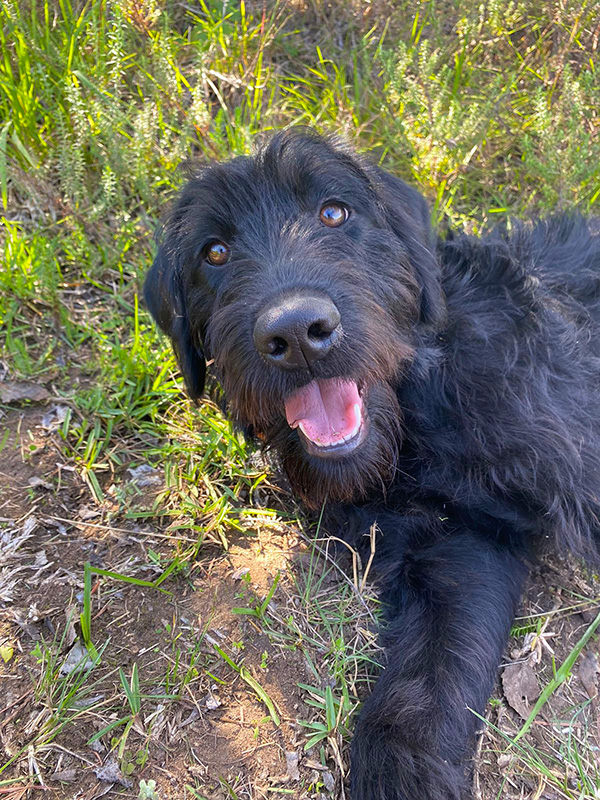
As for colours, Labradoodles run the gamut. You’ll find them in black, white, cream, red, chocolate, or a mix of those colours.
Interesting Facts
While the crossbreed name ‘Labradoodle’ was first used in 1955 (Into the Water Barrier by Donald Campbell and Alan W. Mitchell) and the mix gained some popularity in the USA in the 1960s, the Australian breeding program for Labradoodles is better known for advancing the breed.
Australian Wally Conron is best known for breeding Labrador retrievers and poodles in an initiative to develop guide dogs for people with dander allergies. He introduced the Labradoodle to the Royal Guide Dog Association of Australia in 1989 and touted the dog’s gentleness, intelligence, trainability, and willingness to work (from the Labby genes) as well as his hypoallergenic coat (from the poodle genes) as a winning combination.
One of Conron’s first crossbreed dogs was named Sultan and possessed all of these ideal traits. He went on to successfully guide a woman in Hawaii for 10 years. The Labradoodle became quite popular in Australia and other parts of the world, but Conron himself has lamented its popularity because this led to indiscriminate breeding of the dog, which introduced many problems to the breed.
The lack of consistency in breed appearance and temperament has meant that the top kennel clubs and authorities in the world (including the Kennel Union of South Africa (KUSA)) do not recognise the Labradoodle as a purebred dog, but rather see him as a hybrid.
Wally Conron’s initial vision for the Labradoodle might not still be shared by the Royal Guide Dog Association, as they no longer have a breed program for the dog. However, several assistance dog organisations do see the merit in the Labradoodle, who is still quite popular as an assistance dog and has crept his way into the living rooms of families around the world.
Two breed associations in Australia – the Australian Labradoodle Association and the International Australian Labradoodle Association – are working hard to develop an official breed standard and to get the Labradoodle officially recognised and registered by kennelling bodies around the world.
Due to the Labradoodle’s heritage and the sometimes ‘lucky packet’ nature of this young breed, he may be outgoing and quite boisterous like a young Labrador, or he may be intelligent, reserved and not interested in being everybody’s friend. Since both the Labrador and poodle are intelligent dogs, the Labradoodle is usually easy to train and willing to please his owners.


Once early socialisation is in place and the Labradoodle has completed his obedience training, his temperament will emerge or the rough edges smoothed down. In many cases, it’s difficult to tell from the outset what the Labradoodle’s temperament will be. However, if he is characteristic of the breed as it was intended, you will have a happy, energetic and playful family friend.
The increase in popularity of the Labradoodle also saw an increase in indiscriminate breeding, which has had devastating effects on the breed – especially for those trying to breed out health problems. Health problems and undesirable temperaments are the two biggest risks the labradoodle faces.
Some of those health problems include:
- Hip and elbow dysplasia
- Congenital eye problems – Progressive retinal atrophy (PRA) and cataracts.
- Allergies – Food allergies, contact allergies and inhalant allergies.
- Epilepsy – The epilepsy may be inherited on its own or it may show up as a symptom of hypothyroidism, along with other health problems.
- Ear infections – The Labradoodle’s forward-flopping ears and dense coat may create the perfect environment for ear infections to develop. Care should be taken during grooming to check for the symptoms of infection, like heat, odour and redness.
As with all dogs, the Labradoodle should be socialised from an early age and consistently exposed to a variety of dogs and humans throughout his puppyhood. This helps to teach him manners and build his confidence so he knows how to behave in any environment when he’s older – especially if he takes on an assistance role.
Typically, the Labradoodle inherits the exuberant and boisterous puppy nature of the Labby, so he will have a ton of energy that needs to be constructively directed. This can be done with play, obedience training, a daily walk, fetch games, and giving him a job to do to give him the physical and mental stimulation he needs. He is an intelligent dog and responds fast and well to positive training because he’s so eager to please.
The Labradoodle has a ton of energy, so cannot be confined to an apartment or small yard. This is a dog that needs to stretch his legs every day, as his energy levels replenish quickly overnight! Similar to the Labrador, the Labradoodle needs to be tuckered out so he doesn’t get bored and cause any mischief!
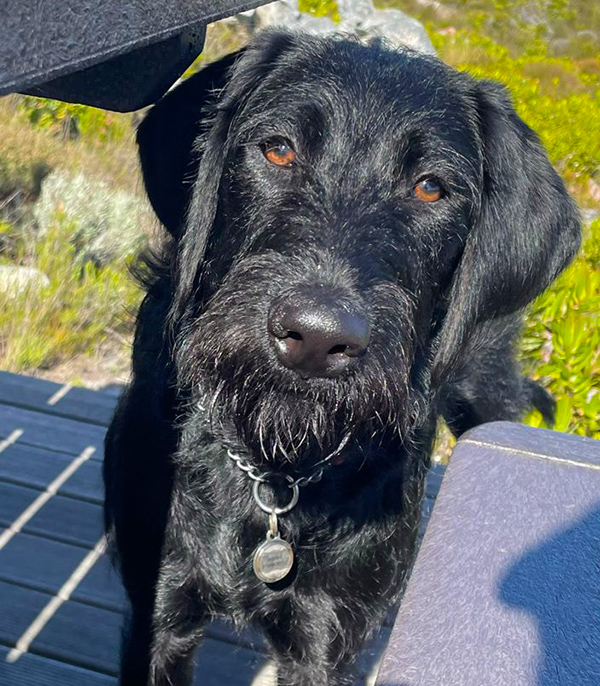
In the absence of a definitive breed standard, the Labradoodle comes in one of three coat types: fleece, wool or hair. Breeders try to avoid the hair coat, which is usually found in first-generation Australian Labradoodles and tends to feel, smell and shed like normal dog fur. The fleece coat feels like Angora goat hair and can be straight or wavy. The wool coat feels like lamb’s wool and hangs loose and curly.
Generally, the Labradoodle’s coat should be brushed a few times a week, irrespective of the length of the coat, which can vary widely between individuals. Labradoodles with longer coats can be trimmed every couple of months to make for manageable grooming. He doesn’t need regular baths – perhaps only when he gets into something stinky.
His teeth should be brushed a few times a week to ensure his oral health is kept in tip-top shape, and his nails trimmed regularly (once or twice a month) to keep his feet comfortable.
| Size | Large |
|---|---|
| Type | Mixed breed |
| Average adult weight | Variable kg |
| Average adult height | Variable height |
| Average life span | 14 years |
| Area of origin Australia | Australia |
Our Breed Dogs
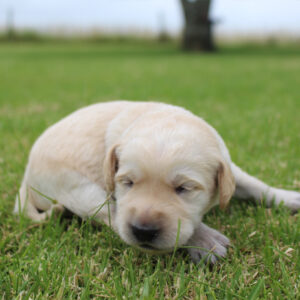
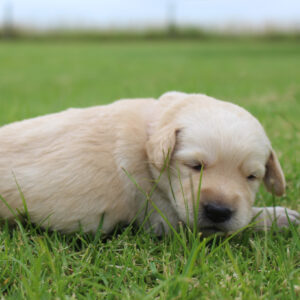
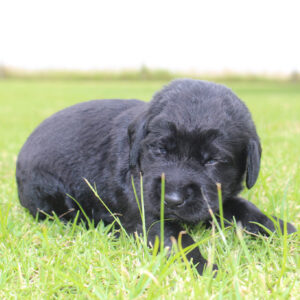
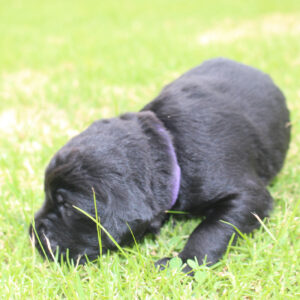
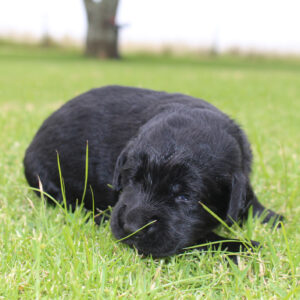
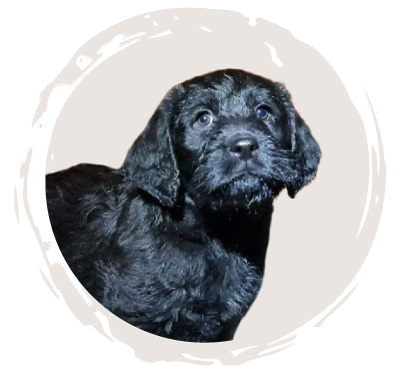
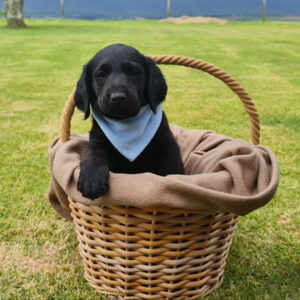
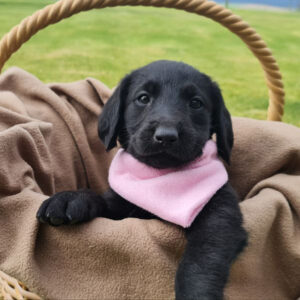
Current Litter: Liza
Born 4 December 2023
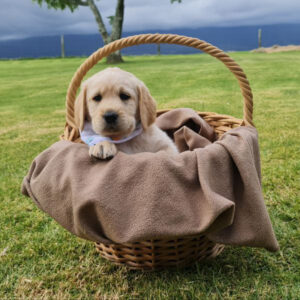
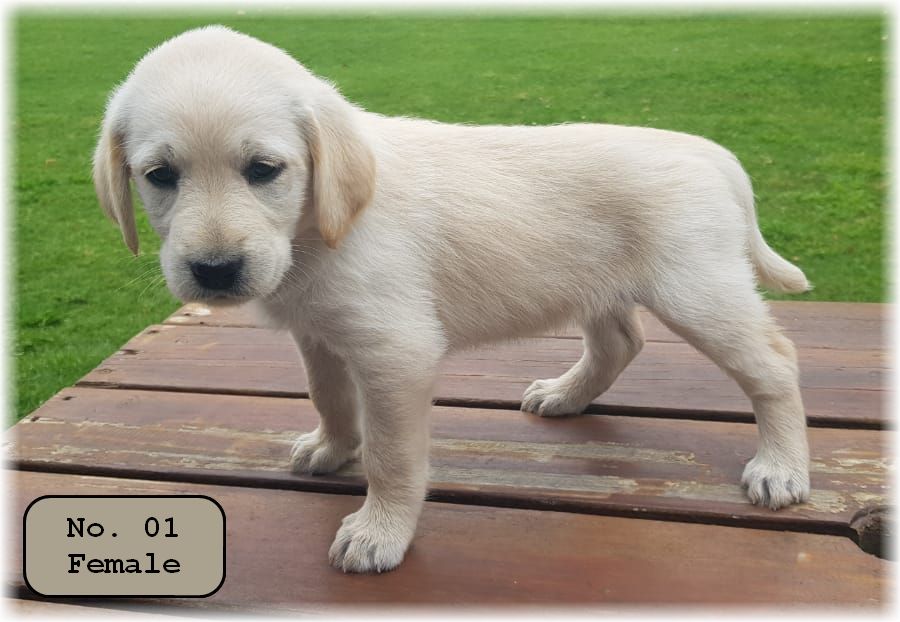
1 White Female
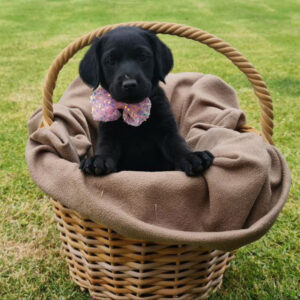
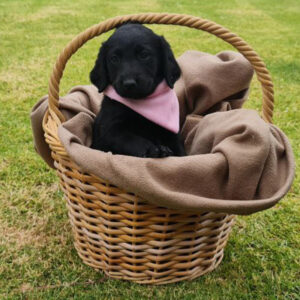
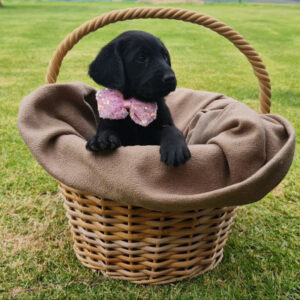
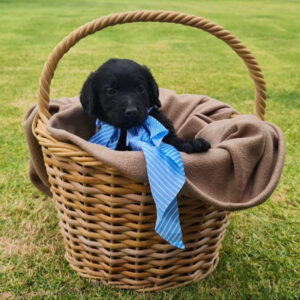
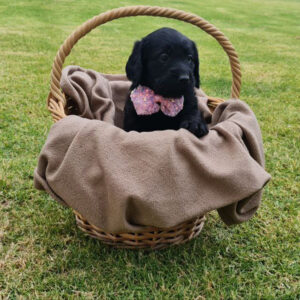
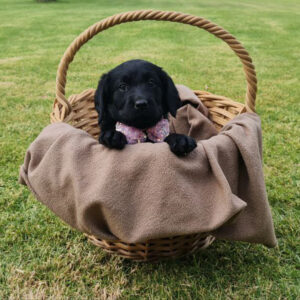
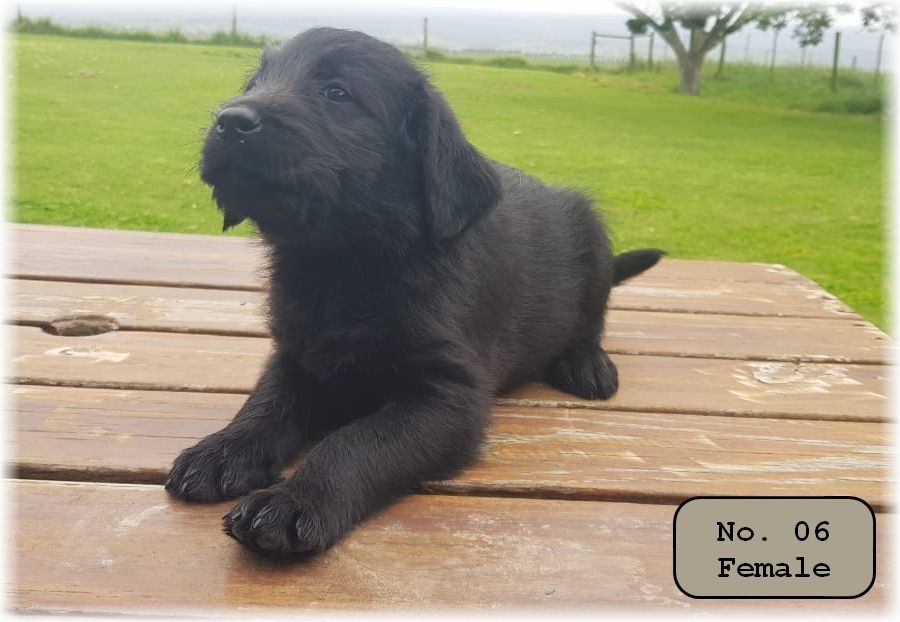
1 Black Female
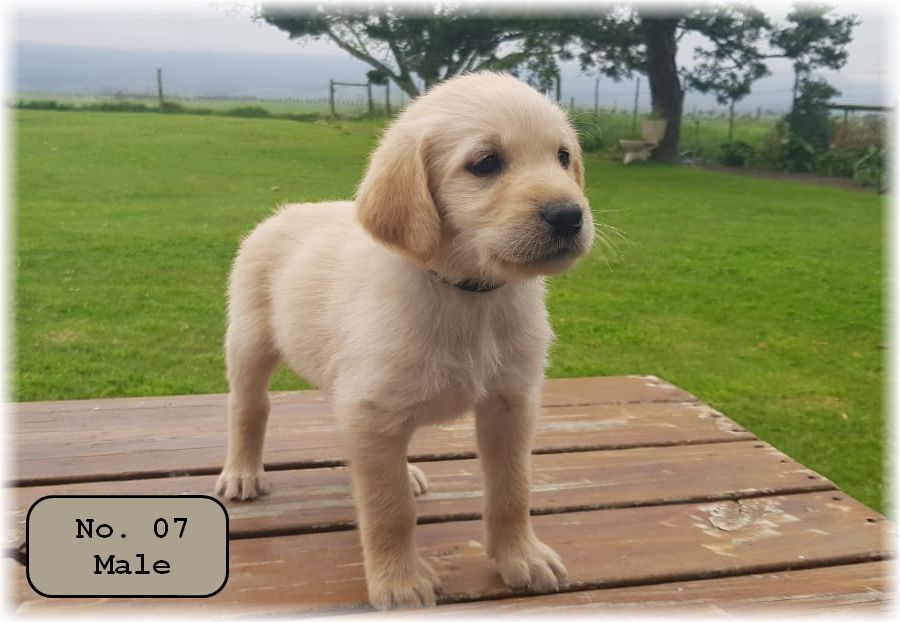
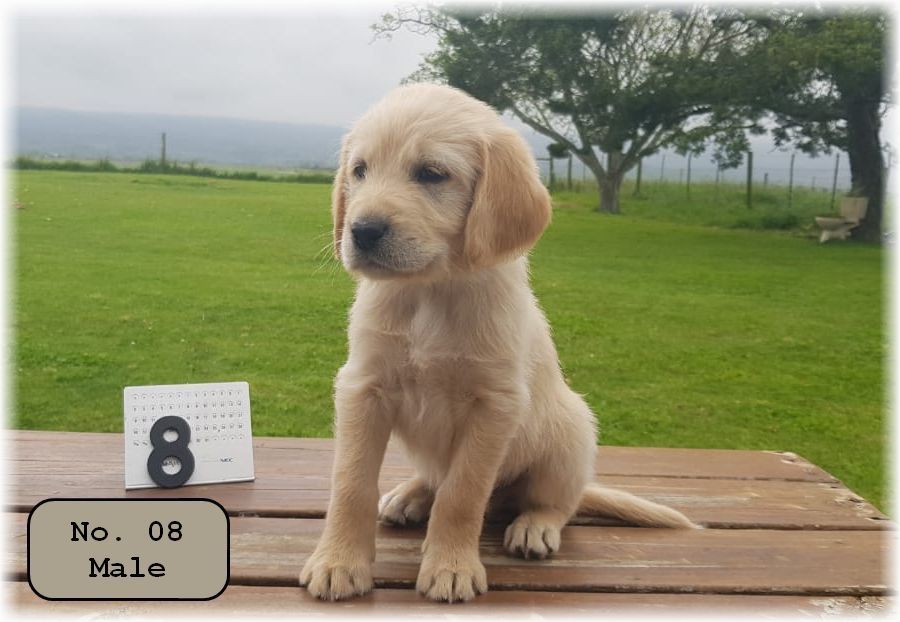
4 White Males
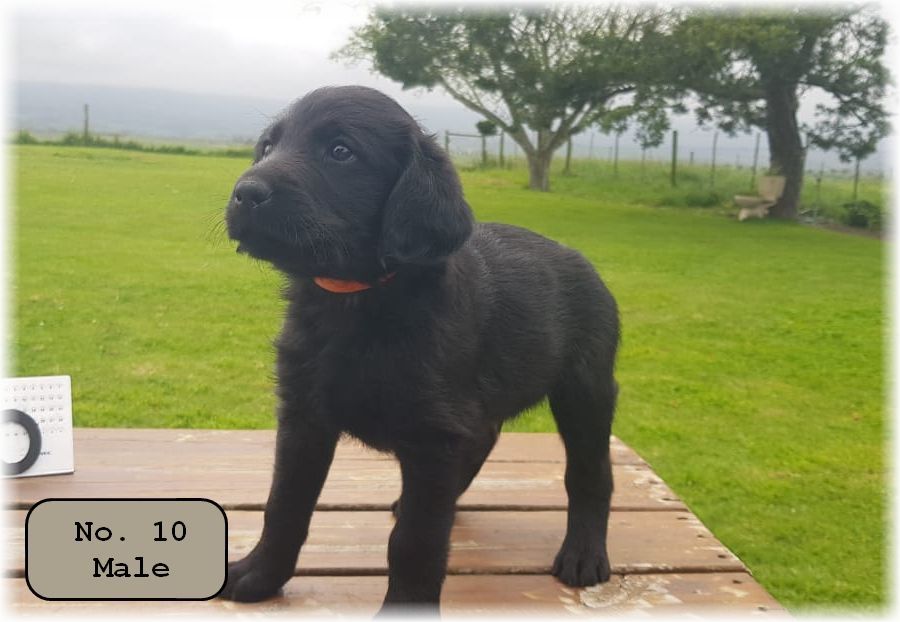
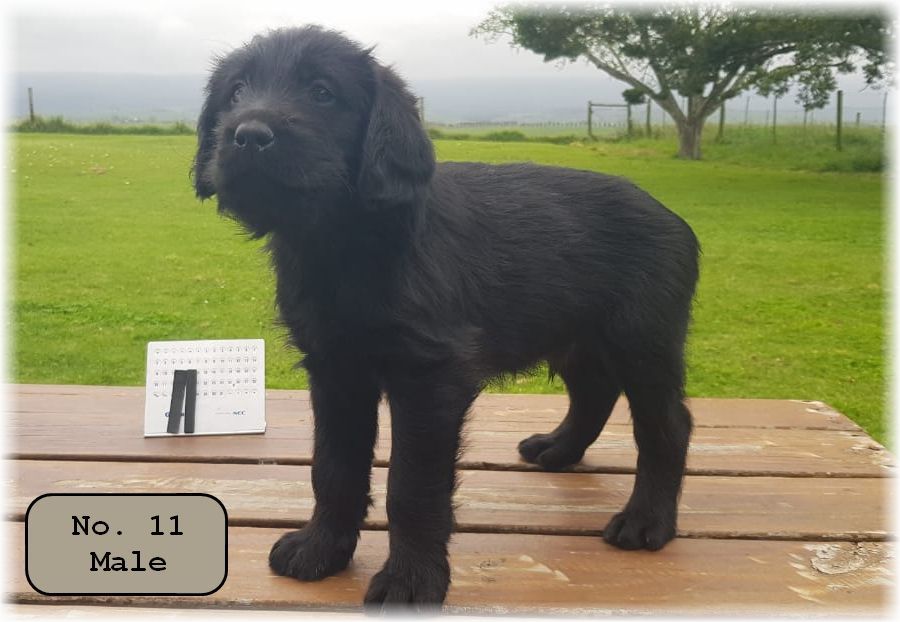
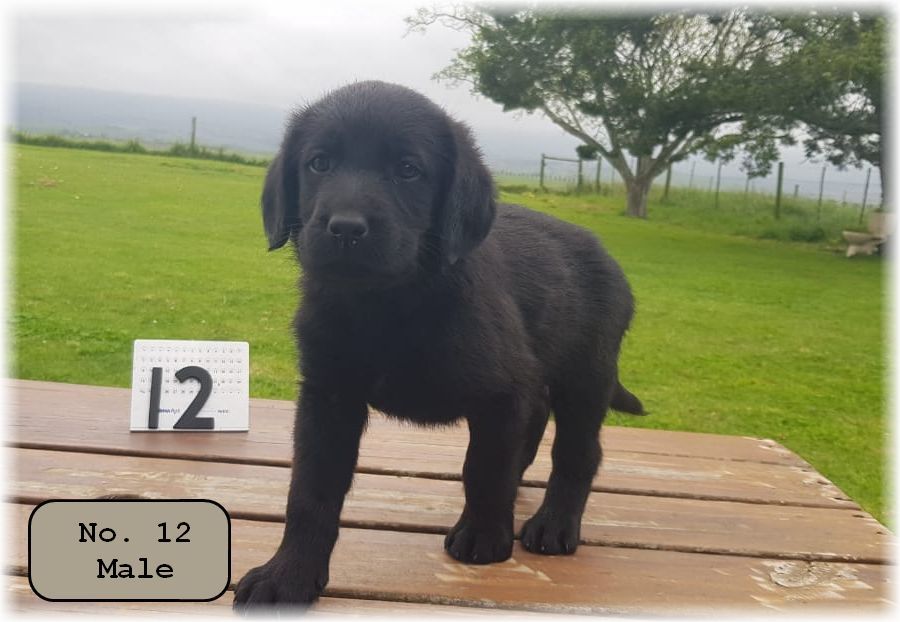
3 Black Males
Ready for collection:
22 January 2024
(7 weeks old)
All pups will be fully vaccinated and dewormed when collected.
Contact Us
Johann
Santie
Dirk
- Follow us on Facebook
- Email Us
- Diepekloof Farm, George, Western Cape, South Africa